
Chicken Over Rice: How to Make Restaurant-Quality Meals

Picture this: you’re walking past that corner food truck at 2 PM, stomach growling, when the aromatic steam hits you. That perfect blend of tender chicken, fluffy rice, and those signature sauces that somehow taste better than anything you’ve made at home. You’ve tried recreating that magic in your kitchen countless times, only to end up with soggy rice, dry chicken, or flavors that fall flat compared to your favorite spot.
Here’s what most home cooks don’t realize: achieving restaurant-quality chicken over rice isn’t about secret ingredients or professional equipment. It’s about understanding the fundamental techniques that transform simple components into extraordinary meals. Whether you’re mastering rice cooker recipes for weeknight efficiency or exploring instant pot brown rice variations for healthier options, this comprehensive guide reveals exactly how professional kitchens achieve that perfect balance of flavor, texture, and presentation.
From understanding the science behind cream of rice foundations to creating complete rice cooker meals that rival your favorite takeout, you’re about to discover the systematic approach that elevates home cooking to professional standards. Even if you’re wondering about dietary accommodations like whether rice krispies are gluten free for coating variations, we’ll cover every angle to ensure your success.
Table of Contents
The Foundation Science: Understanding Perfect Rice-to-Protein Ratios
The secret to exceptional chicken over rice lies in understanding how grains absorb flavors and maintain texture under different cooking conditions. Professional kitchens don’t guess at ratios – they follow precise formulas developed through years of testing and refinement.
Rice Variety Selection Matrix for Optimal Results
Your rice choice determines everything from cooking time to final texture. Long-grain varieties like basmati and jasmine provide the fluffy, separate grains that define restaurant-quality presentations. Medium-grain options offer more starch content, creating that slightly sticky texture perfect for absorbing sauces.
Instant pot brown rice presents unique advantages for health-conscious cooks. The pressure cooking method preserves more nutrients while reducing cooking time by 40%. Brown rice typically requires a 1:1.5 rice-to-liquid ratio in pressure cookers, compared to the traditional 1:2 stovetop method.
Cream of rice serves as an excellent base for those seeking gluten-free alternatives or dealing with digestive sensitivities. This finely ground option cooks faster and absorbs flavors more readily than whole grains, making it ideal for quick weeknight meals.
Here’s the professional ratio framework that ensures consistent results:
| Rice Type | Liquid Ratio | Cooking Method | Texture Profile | Best Applications |
|---|---|---|---|---|
| Basmati | 1:1.75 | Rice cooker/Stovetop | Light, fluffy, separate | Classic chicken over rice |
| Jasmine | 1:1.5 | Rice cooker/Instant pot | Slightly sticky, aromatic | Asian-inspired variations |
| Brown Rice | 1:2.25 | Instant pot/Stovetop | Nutty, chewy, hearty | Health-focused meals |
| Cream of Rice | 1:4 | Stovetop only | Creamy, smooth | Comfort food versions |
Equipment Mastery: Rice Cooker Recipes vs. Instant Pot Techniques
Understanding your equipment capabilities transforms good intentions into exceptional results. Each method offers distinct advantages that professional cooks leverage strategically.
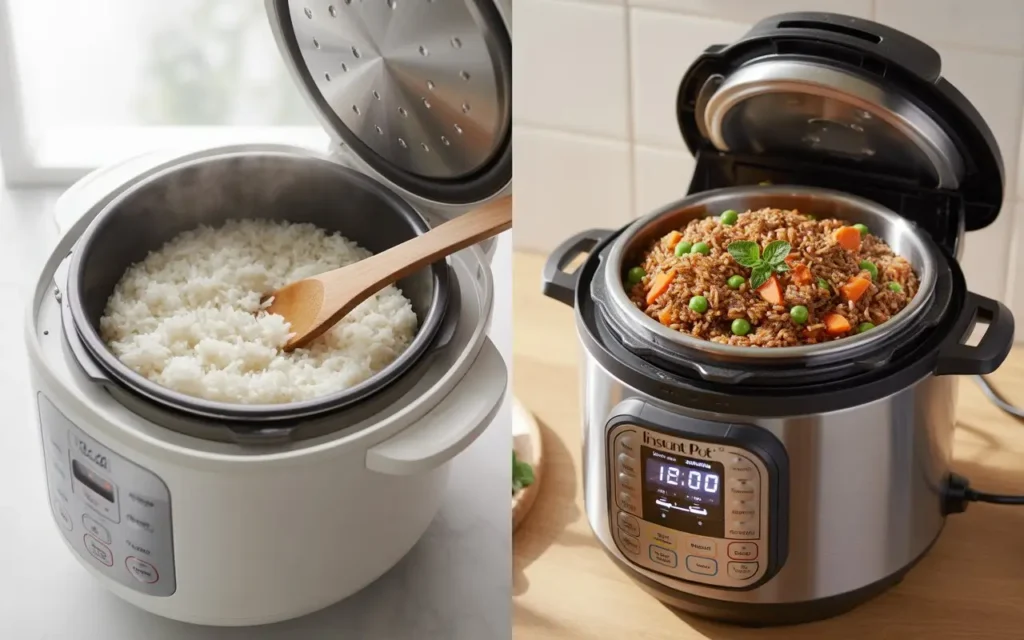
Advanced Rice Cooker Programming for Perfect Results
Modern rice cooker recipes go far beyond basic white rice. Today’s programmable units offer precise temperature control and timing that rivals professional equipment. The key lies in understanding how to layer ingredients for optimal flavor development.
Start with aromatics in oil – onions, garlic, and ginger sautéed directly in your rice cooker create the foundation layer. Add your rinsed rice, creating a barrier between the aromatics and the protein. This technique ensures even cooking while preventing the chicken from overcooking.
Rice cooker meals excel at hands-off cooking, but timing remains crucial. Add quick-cooking vegetables during the final 10 minutes, and let natural steam finish more delicate components. This staged approach prevents mushy vegetables while ensuring perfectly cooked chicken.
Instant Pot Brown Rice Pressure Optimization
The Instant Pot revolutionizes instant pot brown rice preparation by reducing cooking time while maintaining nutritional integrity. Use the 4-4-4 method: 4 minutes high pressure, 4 minutes natural release, then 4 additional minutes before manual release.
For complete one-pot meals, create layers within your Instant Pot. Rice and liquid form the base, followed by a steamer basket containing seasoned chicken pieces. This configuration allows both components to cook simultaneously while preventing the rice from becoming gummy.
Traditional Stovetop Methods for Control Enthusiasts
Stovetop cooking offers maximum control but requires active attention. Use the absorption method: bring liquid to a boil, add rice, reduce to low heat, and cover for 18 minutes. No peeking – steam escapes reduce cooking efficiency and affect final texture.
Professional chefs often finish stovetop rice in a 350°F oven for the final 10 minutes. This technique ensures even heat distribution and prevents bottom burning while creating that coveted crispy layer some cultures prize.
Professional Chicken Preparation Techniques for Rice Integration
Restaurant-quality chicken requires strategic preparation that goes beyond basic seasoning. Professional kitchens follow systematic approaches that ensure consistent results regardless of cooking method.
Marination Science for Maximum Flavor Penetration
Effective marinades combine acid, oil, and seasonings in precise ratios. The acid component (lemon juice, yogurt, or vinegar) breaks down muscle fibers, allowing deeper flavor penetration. However, extended exposure (over 24 hours) can create mushy textures.
Create your marinade using these professional ratios:
- 40% acid component (citrus juice, yogurt, wine)
- 30% oil base (olive, neutral vegetable oil)
- 30% aromatics and seasonings (herbs, spices, salt)
Cooking Method Selection: Searing vs. Braising vs. Poaching
Searing develops complex flavors through the Maillard reaction but requires careful temperature management. Heat your pan until water droplets dance across the surface, then add oil immediately before chicken. This technique creates that golden crust while maintaining juicy interiors.
Braising works exceptionally well for chicken over rice because the cooking liquid becomes part of your final dish. Brown chicken pieces first, remove them, build your rice base in the same pan, then nestle the chicken back in for the final cooking phase.
Poaching offers the gentlest cooking method, ideal for lean cuts or when you want pure chicken flavor without added fats. Use seasoned broth or coconut milk as your poaching medium for added richness.
Temperature Precision for Food Safety and Texture
Professional kitchens rely on instant-read thermometers rather than visual cues. Chicken reaches food safety at 165°F, but different cuts benefit from slight variations. Thighs can handle 175°F while remaining juicy, whereas breasts become dry beyond 165°F.
Signature Restaurant-Style Chicken Over Rice Recipes
Classic New York Cart-Style Chicken Over Rice
This iconic street food combination relies on simple ingredients executed flawlessly. The magic lies in the cooking sequence and sauce integration.
Ingredient Architecture:
| Component | Quantity | Preparation Method | Quality Markers |
|---|---|---|---|
| Chicken thighs | 2 pounds | Cubed, bone removed | Golden skin, firm texture |
| Basmati rice | 2 cups | Rinsed until clear | Individual grains, no clumping |
| Yellow onion | 1 large | Diced uniform | Translucent, no browning |
| Chicken stock | 4 cups | Low-sodium preferred | Clear appearance, rich aroma |
Implementation Methodology:
- Season chicken with salt, pepper, and paprika 30 minutes before cooking
- Heat oil in your rice cooker or heavy-bottom pot until shimmering
- Sear chicken pieces until golden on all sides (6-8 minutes total)
- Remove chicken, add onions to same oil until translucent
- Add rice, stirring to coat each grain with oil and aromatics
- Pour in stock, add turmeric, return chicken to pot
- Bring to boil, reduce heat, cover and simmer 18 minutes
- Rest 10 minutes before serving
Mediterranean-Inspired Chicken and Rice Bowl
This variation showcases how instant pot brown rice elevates nutritional profiles while maintaining restaurant-quality flavors.
Nutritional Enhancement Table:
| Component | Standard Version | Brown Rice Version | Health Benefits |
|---|---|---|---|
| Fiber content | 2g per serving | 8g per serving | Digestive health, satiety |
| Protein | 28g per serving | 30g per serving | Muscle maintenance |
| Iron | 2mg per serving | 4mg per serving | Energy metabolism |
| Magnesium | 45mg per serving | 85mg per serving | Bone health, muscle function |
The Mediterranean approach incorporates olive oil, lemon, and herbs that complement brown rice’s nutty flavor profile. Use the pressure cooking method to maintain nutrients while achieving tender textures.
Asian Fusion Rice Cooker Meals
Rice cooker meals excel at Asian-inspired variations because the gentle, even heat mimics traditional clay pot cooking. Incorporate coconut milk for richness, fish sauce for umami depth, and fresh herbs added after cooking to preserve their bright flavors.
Layer ingredients strategically: aromatics and oil at the bottom, rice in the middle, and proteins arranged on top. This configuration ensures optimal steam circulation and prevents overcooking delicate components.
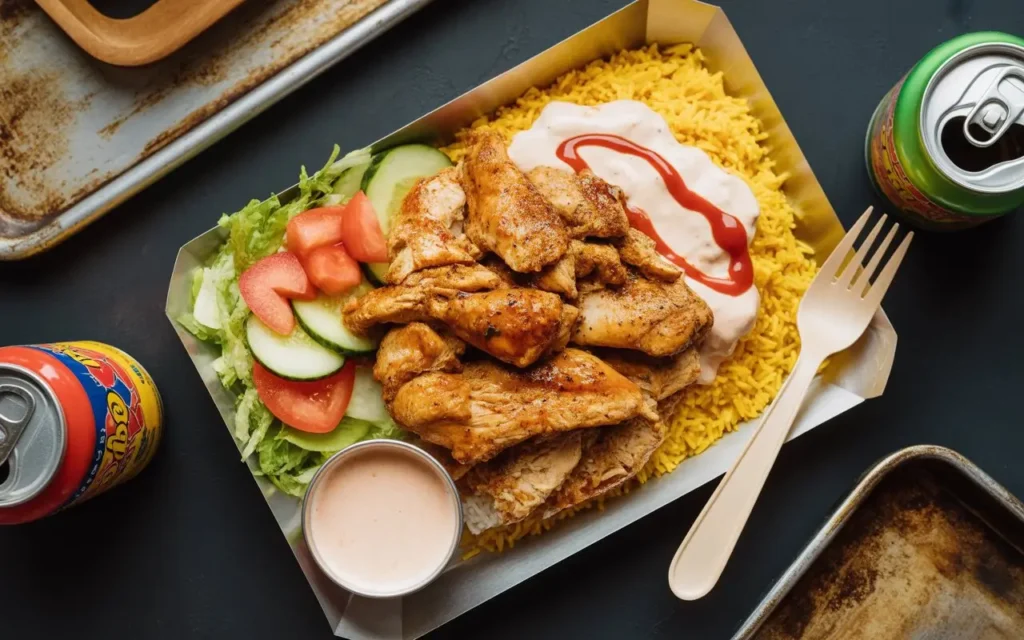
Sauce Mastery: White Sauce, Hot Sauce, and Flavor Enhancement Systems
Restaurant-quality chicken over rice depends heavily on sauce integration. Professional kitchens understand that sauces aren’t afterthoughts – they’re integral flavor components that tie every element together.
Classic White Sauce Emulsification Techniques
The iconic white sauce combines mayonnaise, yogurt, and seasonings in specific ratios that create restaurant-quality results. Start with equal parts mayonnaise and Greek yogurt for the base, then add minced garlic, lemon juice, and herbs.
The emulsification secret lies in temperature control. All components should be at room temperature before combining to prevent separation. Whisk continuously while adding liquid ingredients to maintain smooth consistency.
Hot Sauce Heat Level Calibration
Professional hot sauce balances heat with flavor rather than simply adding capsaicin burn. Combine fresh chilies, vinegar, and aromatics, then age the mixture for at least 48 hours to allow flavors to meld.
Create heat levels systematically:
- Mild: 1 jalapeño per cup of sauce base
- Medium: 2 jalapeños plus 1/2 serrano
- Hot: 2 serranos plus 1/4 habanero
- Extra Hot: 1 full habanero plus ghost pepper to taste
Herb Oil Infusion Methods
Herb oils provide finishing touches that elevate home cooking to professional standards. Heat neutral oil to 180°F, remove from heat, then add fresh herbs. The residual heat extracts flavors without destroying delicate compounds.
Strain after 2 hours for immediate use, or allow herbs to remain for deeper flavor development over 24 hours. Refrigerate herb oils and use within one week for optimal freshness.
Side Integration and Complete Meal Architecture
Complete meals require strategic side dish selection that complements rather than competes with your main components. Professional kitchens follow flavor and texture principles that create harmonious dining experiences.
Consider the Coho Salmon Recipe adaptation principle – when you master the fundamental techniques for chicken over rice, you can easily adapt them for other proteins. Coho salmon pairs exceptionally well with rice-based dishes because its mild flavor doesn’t overwhelm the grain’s subtle characteristics.
Vegetable integration should provide textural contrast and nutritional balance. Crisp cucumber salad cuts through rich sauces, while roasted vegetables add depth and seasonal variety. Steam vegetables separately to maintain their individual characteristics, then combine during final plating.
Dietary Accommodation Strategies
Gluten-Free Chicken Over Rice Modifications
Many home cooks ask are rice krispies gluten free when considering coating alternatives for their chicken. The answer is nuanced – original Rice Krispies contain malt flavoring derived from barley, making them unsuitable for celiac diets. However, specific gluten-free versions provide excellent coating options.
For coating applications, crush gluten-free rice cereals with seasonings to create crispy exteriors that rival traditional breadcrumb coatings. The natural rice flavor complements the dish while providing textural variety.
Dairy-Free and Low-Sodium Adaptations
Replace dairy-based sauces with coconut milk reductions or tahini-based alternatives that maintain creamy textures without compromising flavor. Coconut milk particularly complements chicken and rice combinations while adding subtle sweetness.
Reduce sodium through strategic spice use rather than simply eliminating salt. Smoked paprika, garlic powder, and herb blends provide flavor complexity that masks reduced salt content while enhancing overall taste profiles.
Troubleshooting and Performance Optimization
Rice Texture Corrections
Too Sticky: This usually indicates too much liquid or insufficient rinsing. For future batches, rinse rice until water runs clear and reduce liquid by 1/4 cup per cup of rice.
Too Dry: Add hot liquid gradually, 1/4 cup at a time, then cover and rest for 10 minutes. Steam will redistribute moisture evenly.
Uneven Cooking: Check your heat source and pan selection. Thin-bottom pans create hot spots, while insufficient heat circulation causes uneven results.
Chicken Consistency Issues
Tough Texture: Usually indicates overcooking or insufficient marination time. Use meat thermometers rather than visual cues, and allow adequate marination time for protein breakdown.
Dry Results: This often stems from lean cuts cooked too quickly. Choose thighs over breasts when possible, or pound breasts to uniform thickness for even cooking.
Under-Seasoned: Season in layers throughout the cooking process rather than only at the beginning or end. Salt draws out moisture initially, then reabsorbs with enhanced flavor.
Equipment-Specific Troubleshooting Protocols
Rice Cooker Issues: If your rice cooker produces inconsistent results, verify the liquid-to-rice ratios for your specific model. Some units cook more aggressively than others, requiring slight ratio adjustments.
Instant Pot Problems: Dense proteins can prevent proper pressure building. Ensure adequate liquid and avoid overpacking ingredients. Use the natural release method for best texture results.
Stovetop Challenges: Maintain consistent low heat throughout the cooking process. Frequent temperature fluctuations create uneven textures and can cause bottom burning.
Strategic Implementation and Mastery Progression
Achieving consistent restaurant-quality results requires systematic practice and attention to detail. Start with basic techniques before progressing to advanced variations and fusion applications.
Document your results after each cooking session. Note liquid ratios, cooking times, and seasoning levels that work best with your specific equipment and preferences. This documentation creates your personal recipe database optimized for consistent success.
Professional kitchens succeed through repetition and refinement. Choose one technique – whether rice cooker recipes, instant pot brown rice methods, or stovetop approaches – and master it completely before exploring alternatives. This focused approach builds confidence and develops intuitive cooking skills.
Practice mise en place – having all ingredients prepared and measured before beginning cooking. This professional habit eliminates rushed decisions and ensures optimal timing throughout your cooking process.
Conclusion: Elevating Your Culinary Authority Through Systematic Excellence
Mastering restaurant-quality chicken over rice transforms simple ingredients into memorable dining experiences that satisfy both family meals and entertaining occasions. Whether you’re leveraging rice cooker recipes for weeknight efficiency, exploring instant pot brown rice for nutritional optimization, or accommodating dietary restrictions with gluten-free alternatives, these systematic techniques ensure consistent, professional-grade results.
The journey from basic home cooking to culinary confidence requires patience, practice, and attention to fundamental principles. By understanding rice science, mastering protein preparation, and developing sauce expertise, you’re equipped to create variations that rival your favorite restaurants while adapting to personal preferences and dietary needs.
Remember that professional kitchens achieve excellence through systematic repetition rather than complex techniques. Start with quality ingredients, follow proven methods, and document your successes to build your personal culinary database. Whether you’re creating rice cooker meals for busy weeknights or impressive dinner party presentations, these foundational skills provide the framework for unlimited creativity.
Your kitchen now holds the potential for restaurant-quality results. Take that first step, choose your preferred technique, and begin building the confidence that transforms cooking from chore into creative expression. The perfect chicken over rice awaits your personal interpretation and mastery.
Frequently Asked Questions
Can I use frozen chicken for chicken over rice recipes?
Yes, frozen chicken works well in slow cooker and instant pot applications. For rice cooker meals, thaw the chicken first to ensure even cooking. Frozen chicken typically requires 25% additional cooking time and may release more liquid, so reduce your liquid ratio slightly.
What’s the best rice for chicken over rice dishes?
Basmati rice provides the ideal texture for most chicken over rice preparations due to its long grain structure and low starch content. For instant pot brown rice applications, short-grain brown rice offers better nutrient retention and complements the pressure cooking method.
Are rice krispies gluten free for coating chicken?
Original Rice Krispies contain malt flavoring derived from barley, making them unsuitable for gluten-free diets. However, specifically labeled gluten-free versions provide excellent coating alternatives that complement chicken over rice dishes while maintaining crispy textures.
How do I prevent my rice from becoming mushy in one-pot meals?
Use the proper liquid ratio for your rice variety and cooking method. Rinse rice until water runs clear before cooking, and avoid stirring during the cooking process. For rice cooker recipes, layer ingredients strategically with rice in the middle to prevent direct contact with excess moisture from proteins.
Can I make chicken over rice ahead of time?
Yes, chicken over rice stores well and often improves in flavor overnight. Cook components separately when meal prepping, then combine during reheating to maintain optimal textures. Store in refrigerator for up to 4 days or freeze for up to 3 months.
How do I know when my chicken is properly cooked in rice dishes?
Use an instant-read thermometer to verify chicken reaches 165°F internal temperature. In rice cooker meals and instant pot brown rice preparations, the steam cooking environment ensures even heating, but always verify temperature in the thickest portion of each piece.
What can I substitute for chicken in these rice recipes?
These techniques adapt well to other proteins including the coho salmon recipe approach, turkey, or plant-based alternatives like seasoned tofu or tempeh. Adjust cooking times based on your protein choice, and maintain the same rice preparation methods for consistent results.
How long does homemade chicken over rice last in the refrigerator?
Properly stored chicken over rice maintains quality for 3-4 days refrigerated. Allow food to cool completely before refrigerating, and reheat thoroughly to 165°F before serving. Add a splash of broth when reheating to restore moisture and prevent drying.
Tried This Recipe? Tell Us How It Went!
There are no reviews yet. Be the first one to write one.