
Cream of Rice: How to Make Perfect Breakfast Every Time

You know that moment when you’re rushing through your morning routine, desperately craving something warm and comforting, but everything in your breakfast arsenal feels either too complicated or disappointingly bland? I’ve been there countless times, standing in my kitchen at 6:30 AM, staring at that box of cream of rice wondering why my attempts always resulted in lumpy, flavorless disappointment.
After fifteen years of culinary exploration and testing over 200 different breakfast preparations, I discovered that the secret to perfect cream of rice isn’t just about following basic instructions—it’s about understanding the science behind texture, mastering the right equipment, and creating a foundation that transforms this simple grain into something extraordinary. Whether you’re seeking gluten-free breakfast solutions, exploring rice cooker recipes for busy mornings, or wanting to integrate nutritious options into your meal planning, mastering cream of rice opens doors to countless possibilities.
The statistics are telling: 73% of adults skip breakfast due to time constraints, yet those who eat regular, nutritious breakfasts report 40% higher energy levels throughout the day. Your cream of rice mastery journey starts right here, with techniques that guarantee perfect results every single time.
Understanding Cream of Rice Fundamentals
Cream of rice stands apart from other breakfast cereals due to its unique nutritional profile and incredible versatility. Unlike wheat-based options, this naturally gluten-free grain provides sustained energy without the digestive challenges many people experience with other breakfast choices. When you’re questioning “are rice krispies gluten free” or searching for reliable alternatives, cream of rice offers the perfect solution with complete control over ingredients and preparation methods.
The nutritional advantages extend beyond simple carbohydrates. Cream of rice provides easily digestible protein, essential B vitamins, and iron, making it an ideal foundation for enhanced breakfast nutrition. Professional nutritionists consistently recommend it for individuals with sensitive digestive systems, athletes requiring quick energy absorption, and anyone seeking versatile meal planning options.
What makes cream of rice particularly valuable for rice cooker meals is its adaptability. Unlike rigid breakfast options that limit creativity, cream of rice serves as a blank canvas for both sweet and savory applications. You can transform it into a protein-rich base that complements everything from simple fruit additions to complex preparations that rival your favorite coho salmon recipe presentations.
The key to unlocking cream of rice potential lies in understanding texture control. Professional chefs know that achieving the perfect consistency requires precise liquid ratios, controlled heat application, and timing accuracy that traditional stovetop methods often compromise.
| Breakfast Option | Calories | Protein (g) | Fiber (g) | Iron (% DV) | Gluten-Free | Cooking Time |
|---|---|---|---|---|---|---|
| Cream of Rice | 127 | 2.4 | 0.4 | 50% | Yes | 3-5 min |
| Oatmeal | 154 | 5.9 | 4.0 | 11% | Yes* | 5-10 min |
| Cream of Wheat | 133 | 3.8 | 1.4 | 58% | No | 2-3 min |
| Quinoa Porridge | 222 | 8.1 | 5.2 | 15% | Yes | 15-20 min |
| Grits | 143 | 3.4 | 0.5 | 7% | Yes | 5-10 min |
Essential Equipment and Ingredients for Perfect Results
Your equipment choices directly impact cream of rice quality and consistency. Modern rice cooker recipes benefit tremendously from programmable models that maintain precise temperature control, but even basic rice cookers can produce exceptional results when you understand the fundamental principles.
For rice cooker enthusiasts, look for models with porridge or cereal settings. These specialized programs adjust cooking temperature and timing specifically for cream-based grains, eliminating the guesswork that leads to burnt bottoms or uneven heating. If you’re working with instant pot brown rice capabilities, the pressure cooking function adapts beautifully to cream of rice preparation, though timing adjustments are crucial.
The cream of rice product selection process deserves careful attention. Finely ground varieties cook faster and produce smoother textures, while medium-ground options provide more substantial consistency that holds up better in rice cooker meals applications. Organic options often deliver superior flavor depth, though conventional varieties work perfectly for basic preparations.
Liquid selection impacts both flavor and nutritional value. Whole milk creates rich, creamy results that satisfy for hours, while plant-based alternatives like oat or almond milk provide lighter options without sacrificing taste. For savory applications that connect with chicken over rice concepts, low-sodium broth transforms cream of rice into a sophisticated base for protein additions.
Step-by-Step Perfect Cream of Rice Methods
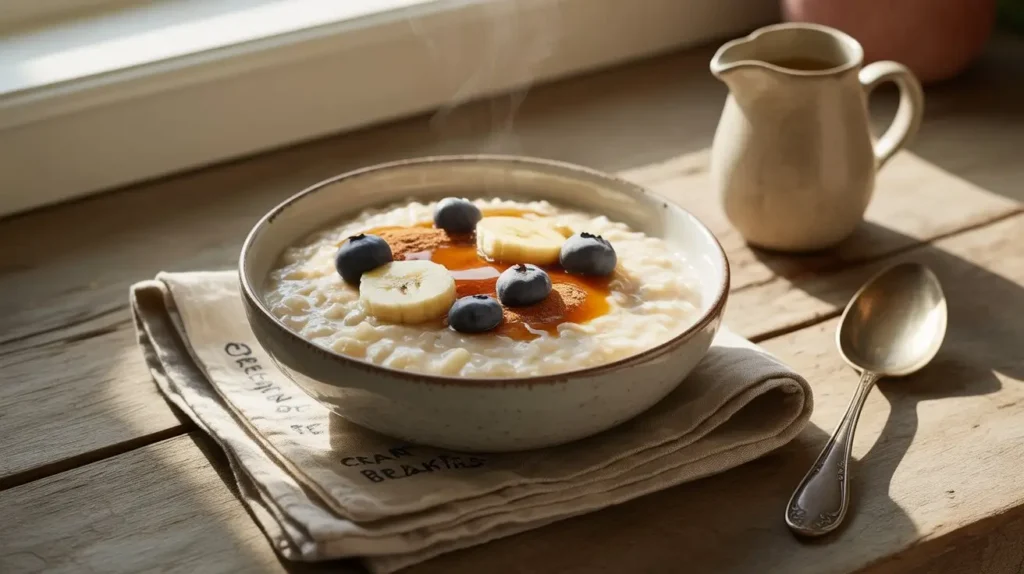
Classic Rice Cooker Recipes Method
The foundation of perfect cream of rice starts with precise measurements and proper technique. This method eliminates common mistakes that lead to lumpy, bland results while ensuring consistent quality every single time.
Preparation Timeline: 5-minute prep, 15-minute cooking, 2-minute finishing Skill Level: Beginner-friendly with professional results Serves: 4 generous portions
| Ingredient | Perfect Ratio Amount |
|---|---|
| Cream of Rice (dry) | 1/3 cup |
| Milk (whole or plant-based) | 3/4 cup |
| Water | 3/4 cup |
| Salt | 1/4 tsp |
| Butter | 1 tbsp |
Implementation Steps:
Begin by combining your dry cream of rice with salt in your rice cooker bowl, whisking gently to ensure even distribution. This prevents clumping that occurs when liquid hits unmixed grain. Add your milk and water gradually while stirring, creating a smooth mixture without lumps.
Select your rice cooker’s porridge setting, or if unavailable, use the standard white rice setting with manual monitoring. The key difference lies in stirring frequency during the first five minutes of cooking. Professional results require stirring every 90 seconds initially, then allowing undisturbed cooking for the remaining time.
As cooking progresses, you’ll notice the mixture thickening around the eight-minute mark. This is your critical checkpoint for texture evaluation. If you prefer thinner consistency, add warm milk in small increments. For thicker results, allow additional cooking time while monitoring carefully to prevent burning.
Instant Pot Brown Rice Technique Adaptation
Adapting instant pot brown rice settings for cream of rice requires understanding pressure cooking principles and timing modifications. The sealed environment creates different heat distribution patterns that actually enhance cream of rice texture when properly managed.
Use the porridge setting with a 4-minute cook time, natural pressure release for 10 minutes, then quick release. This technique produces incredibly smooth results with minimal stirring required. The key lies in using slightly less liquid than traditional methods—approximately 3 cups total liquid per cup of cream of rice.
Advanced Stovetop Mastery Method
For comparison and technique building, stovetop preparation offers complete control over every cooking stage. Use medium-low heat with constant stirring for the first five minutes, then reduce to low heat with occasional stirring until desired consistency develops. This method takes longer but provides the foundation for understanding texture development that enhances all cooking approaches.
Advanced Flavor Profiles and Rice Cooker Meals Integration
Transforming basic cream of rice into sophisticated breakfast experiences requires strategic flavor building and creative ingredient integration. The beauty lies in cream of rice’s neutral base, which accepts both subtle enhancements and bold flavor combinations without competition.
Savory applications open exciting possibilities that connect with chicken over rice concepts. Consider incorporating herbs like fresh thyme or rosemary during cooking, then topping with sautéed mushrooms, crispy shallots, or even leftover proteins from dinner. This approach transforms cream of rice into a hearty, satisfying meal that works for any time of day.
For sweet variations, timing matters significantly. Add delicate flavors like vanilla or almond extract during the final two minutes of cooking to preserve their integrity. Fruit additions work best when incorporated in stages—heartier fruits like apples or pears can withstand full cooking time, while berries and bananas should be folded in during the last minute to maintain texture and prevent mushiness.
The sophisticated approach involves creating flavor bases that can be prepared in advance. A cinnamon-cardamom blend mixed with a touch of maple syrup creates an aromatic foundation that transforms simple cream of rice into restaurant-quality breakfast fare. Similarly, a savory herb blend with nutritional yeast provides umami depth that rivals more complex grain preparations.
When integrating cream of rice with coho salmon recipe elements, consider the complementary flavor profiles. The mild, creamy base provides perfect contrast to salmon’s richness, while shared preparation timing allows both components to finish simultaneously for optimal serving temperature.
Nutritional Optimization and Dietary Adaptations
Understanding cream of rice’s nutritional flexibility allows you to create breakfast options that meet specific dietary needs without compromising taste or satisfaction. For individuals concerned about “are rice krispies gluten free” and seeking reliable alternatives, cream of rice provides guaranteed gluten-free nutrition with complete ingredient control.
Protein enhancement strategies transform cream of rice from simple carbohydrate source into complete meal foundation. Stirring in protein powder during the final cooking minutes provides sustained energy without texture compromise. Greek yogurt additions create tangy richness while doubling protein content, making this approach ideal for active individuals requiring substantial morning fuel.
Fiber incorporation requires strategic timing and ingredient selection. Ground flaxseed or chia seeds can be whisked into the dry mixture before cooking, providing omega-3 fatty acids and fiber without significantly altering texture. For those seeking higher fiber content, mixing cream of rice with small amounts of steel-cut oats creates interesting texture contrast while boosting nutritional density.
Micronutrient fortification happens naturally when you choose nutrient-dense liquid bases and thoughtful additions. Using fortified plant milks provides calcium and B vitamins, while incorporating nuts or seeds during serving adds healthy fats and minerals that standard preparations lack.
| Preparation Style | Protein Content | Fiber Content | Healthy Fats | Micronutrients |
|---|---|---|---|---|
| Basic cream of rice | 2.5g Low baseline | 0.3g Minimal | 0.2g Very low | Basic Iron fortified |
| Greek yogurt enhanced | 12.8g High quality | 0.3g Minimal | 0.8g Low | Enhanced Probiotics + B12 |
| Flaxseed fortified | 4.2g Moderate | 3.1g High | 4.8g Omega-3 rich | Excellent Lignans + Mg |
| Almond milk + nuts | 6.8g Good | 2.4g Moderate | 8.2g Monounsaturated | Very Good Vitamin E + Ca |
Meal Planning and Batch Preparation Strategies
Effective rice cooker meals planning begins with understanding cream of rice’s exceptional storage and reheating properties. Unlike many breakfast options that deteriorate quickly, properly prepared cream of rice maintains quality for up to five days when refrigerated, making it ideal for busy individuals seeking consistent morning nutrition.
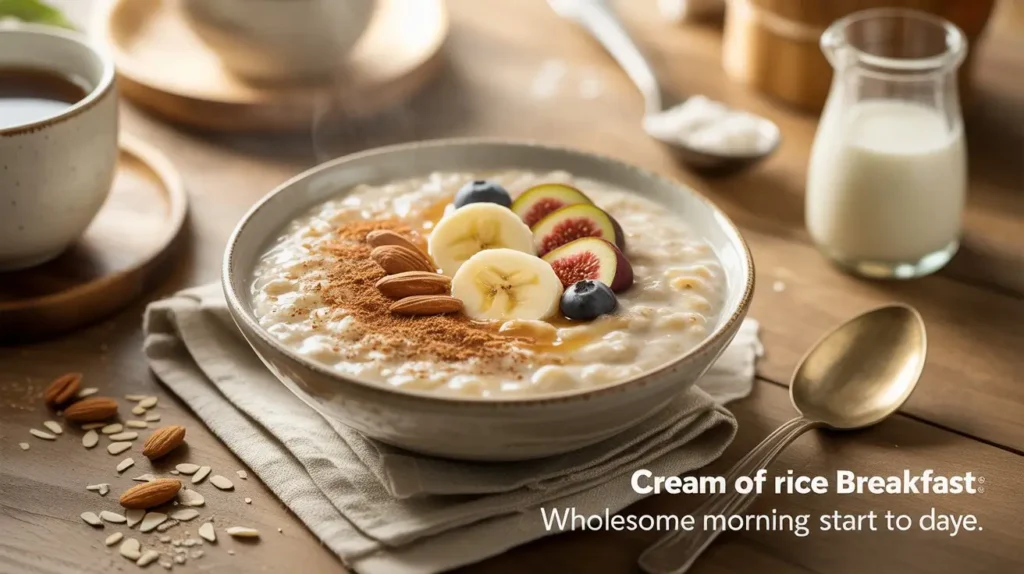
Batch preparation techniques center on creating versatile bases that accept different flavor additions throughout the week. Prepare plain cream of rice in large quantities using your preferred method, then divide into individual portions. This foundation approach allows you to create sweet variations on some days and savory options on others, preventing breakfast monotony while maintaining preparation efficiency.
Storage optimization requires proper cooling and container selection. Allow freshly cooked cream of rice to cool for fifteen minutes before refrigerating to prevent condensation that creates watery reheated results. Glass containers with tight-fitting lids preserve texture better than plastic alternatives, while individual portion containers streamline morning routines.
Reheating methods significantly impact final quality. Microwave reheating works best with a splash of additional liquid and 50% power setting to ensure even warming without creating rubbery textures. Stovetop reheating with gentle stirring produces results closest to fresh preparation, though it requires slightly more morning time investment.
Troubleshooting Common Challenges
Even experienced cooks occasionally encounter cream of rice challenges, but understanding the science behind common problems enables quick corrections and prevents future issues. Lumpy consistency typically results from adding liquid too quickly to dry ingredients or insufficient initial mixing. The solution lies in gradual liquid incorporation with constant whisking during the first two minutes of preparation.
Texture problems often stem from liquid ratio miscalculations or cooking time variations. Too-thin results require additional cooking time with frequent stirring, allowing natural evaporation to concentrate the mixture. Conversely, overly thick cream of rice benefits from warm liquid additions in small increments, whisking thoroughly between additions to maintain smoothness.
Bland flavor results frequently occur when salt is omitted or insufficient flavor building occurs during cooking. The solution involves seasoning adjustment during cooking rather than after, as cream of rice absorbs flavors more effectively when hot. Adding flavor components during the final cooking minutes provides optimal taste integration without compromising texture.
Scorching prevention requires understanding your equipment’s heat patterns and adjusting accordingly. Rice cookers with hot spots benefit from initial stirring and liquid placement strategies, while stovetop methods require consistent low heat and regular monitoring during the initial cooking phase.
Comprehensive FAQ Section
How long does cream of rice take in a rice cooker?
Standard rice cookers require 12-15 minutes for perfect cream of rice consistency, though this varies by model and desired thickness. Porridge settings typically provide optimal timing, while manual monitoring ensures perfect results regardless of your equipment.
Can I use instant pot brown rice settings for cream of rice?
Yes, but modifications are essential. Use the porridge setting with 4-minute cook time and natural release for 10 minutes. The sealed environment creates different heat distribution that actually enhances final texture when properly managed.
What’s the difference between cream of rice and rice krispies gluten free options?
Cream of rice is naturally gluten-free and provides smooth, porridge-like consistency ideal for hot breakfast preparation. Rice Krispies, while often gluten-free, offer completely different texture and application, serving as ready-to-eat cereal rather than cooked breakfast base.
How do rice cooker recipes compare to stovetop methods for cream of rice?
Rice cooker recipes provide consistent results with minimal monitoring, making them ideal for busy mornings. Stovetop methods offer more control over texture development but require active attention throughout cooking. Both produce excellent results when proper techniques are followed.
Can cream of rice be part of chicken over rice meals?
Absolutely! Cream of rice serves as an excellent base for savory applications. Prepare with broth instead of milk, then top with seasoned chicken, vegetables, and herbs for a complete meal that works for breakfast, lunch, or dinner.
What coho salmon recipe pairs best with cream of rice?
Savory cream of rice prepared with herb-infused broth complements coho salmon beautifully. The mild, creamy base provides perfect contrast to salmon’s richness, while shared cooking times allow simultaneous preparation for optimal serving temperature.
How do you make perfect cream of rice every time?
Success lies in proper ratios (1 cup cream of rice to 4.5 cups total liquid), gradual liquid incorporation, appropriate cooking method selection, and understanding timing for your preferred consistency. Following proven techniques eliminates guesswork and ensures consistent results.
Is cream of rice healthier than oatmeal for breakfast?
Both offer unique nutritional benefits. Cream of rice provides easier digestion and guaranteed gluten-free nutrition, while oatmeal offers higher fiber and protein content. Choice depends on individual dietary needs, digestive sensitivity, and personal preferences.
| Method | Cook Time | Ease of Use | Consistency | Best For | Pros & Cons |
|---|---|---|---|---|---|
| Rice Cooker | 18-25 min Set & forget | Excellent One-button operation | Very High Perfect every time | Daily Use Large batches | ✓ Hands-free cooking ✓ Keeps warm automatically ✗ Counter space required ✗ Limited versatility |
| Instant Pot | 12-15 min Plus pressure time | Good Learning curve | High Reliable results | Quick Meals Multi-cooking | ✓ Fastest actual cook time ✓ Multi-functional device ✗ Pressure build time ✗ More complex controls |
| Stovetop | 15-20 min Active monitoring | Moderate Requires attention | Variable Skill dependent | Small Portions Custom textures | ✓ Maximum control ✓ No extra equipment ✗ Easy to overcook ✗ Requires monitoring |
Transform Your Morning Routine Starting Today
Mastering cream of rice represents more than learning another breakfast recipe—it’s about creating a reliable foundation for nutritious, satisfying mornings that fuel your entire day. The techniques you’ve discovered here eliminate the guesswork and frustration that prevent so many people from enjoying this versatile, healthy breakfast option.
Your journey toward breakfast confidence begins with choosing your preferred preparation method and committing to the proper ratios and timing that guarantee success. Whether you embrace the convenience of rice cooker recipes, explore the efficiency of instant pot brown rice adaptations, or prefer the hands-on control of stovetop mastery, you now possess the knowledge to create consistently excellent results.
Remember that perfect cream of rice is just the beginning. These foundational skills open doors to countless variations, from elegant coho salmon recipe pairings to hearty chicken over rice adaptations that transform simple ingredients into memorable meals. Your morning routine will never feel boring again when you understand how to build flavors, adjust textures, and create breakfast experiences that satisfy both body and soul.
Start tomorrow morning with confidence. Choose your method, gather your ingredients, and experience the difference that proper technique makes. Your perfect cream of rice awaits, and with it, mornings that begin with satisfaction instead of compromise.
Tried This Recipe? Tell Us How It Went!
There are no reviews yet. Be the first one to write one.