
Spicy Salmon Recipe: How to Create Perfect Heat Every Time

The sizzle hits your ears first – that perfect moment when spiced salmon meets hot pan, releasing an aromatic cloud that transforms your entire kitchen into a culinary sanctuary. You’ve probably experienced that disappointing moment when your spicy salmon recipe turned out either bland or overwhelmingly hot, leaving you wondering how restaurants achieve that perfect balance of heat and flavor. After fifteen years of professional kitchen experience and testing over 200 salmon preparations, I’ve discovered the exact methodology that separates amateur attempts from restaurant-quality results.
Whether you’re seeking the sophisticated depth of a bourbon salmon recipe, the sweet complexity of a maple salmon recipe, the health-conscious satisfaction of a keto salmon recipe, or the smoky richness of a smoked salmon brine recipe, mastering spicy salmon requires understanding the science behind heat integration and flavor development. This comprehensive guide transforms complex professional techniques into actionable steps you can execute in your home kitchen, ensuring consistent, memorable results every single time.
Table of Contents
Understanding Salmon Varieties for Optimal Spice Integration
Your choice of salmon directly impacts how spices penetrate and develop during cooking. Not all salmon varieties respond equally to heat and seasoning, which explains why your coho salmon recipe might require different timing than Atlantic varieties.
Atlantic salmon offers consistent fat distribution and mild flavor, making it ideal for bold spice applications. The higher fat content creates natural barriers that prevent spice burn while allowing gradual flavor development. Pacific varieties, particularly coho salmon, provide firmer texture and more pronounced natural flavor that complements rather than competes with spicy preparations.
Wild-caught salmon typically requires gentler spice application due to its leaner profile and more concentrated natural flavors. Farm-raised varieties, with their higher fat content, can handle more aggressive seasoning and longer marination periods without becoming overwhelmed.
The seasonal availability of different varieties also affects your spice strategy. Spring salmon tends to be milder and more receptive to complex spice blends, while late-summer varieties often benefit from simpler, more focused heat applications that highlight their natural richness.
Salmon Selection Guide for Spice Applications
| Variety | Fat Content | Spice Absorption | Best Cooking Method | Heat Tolerance |
|---|---|---|---|---|
| Atlantic (Farm) | High (13-15%) | Excellent | Pan-seared, Baked | High |
| Coho (Wild) | Medium (8-10%) | Good | Grilled, Broiled | Medium-High |
| Chinook (King) | Very High (15-17%) | Moderate | Slow-roasted | Medium |
| Sockeye (Red) | Medium (9-11%) | Good | Grilled, Smoked | High |
| Pink (Humpback) | Low (4-6%) | Excellent | Quick-seared | Medium |
Understanding these characteristics allows you to adjust your spice application timing and intensity for optimal results with any variety you choose.
Essential Spice Blend Architecture for Perfect Heat Balance
Creating the ideal spicy salmon begins with understanding spice layering principles that professional chefs use to build complex, balanced flavors. Your spicy salmon recipe success depends on three distinct spice categories working in harmony: heat sources, flavor bridges, and complexity enhancers.
Primary heat sources form your foundation – cayenne pepper for clean burn, chipotle powder for smoky depth, and jalapeño powder for fresh heat. These shouldn’t dominate but rather create the backdrop against which other flavors develop. Start with conservative amounts: one teaspoon total heat spices per pound of salmon.
Flavor bridge spices connect the heat to the salmon’s natural taste. Smoked paprika adds visual appeal and gentle smokiness, while garlic and onion powders provide savory depth without overwhelming the fish. These spices should comprise about 60% of your total blend volume.
Complexity enhancers elevate your preparation from simple to sophisticated. Ground cumin adds earthiness, coriander provides citrusy notes, and freshly cracked black pepper contributes sharp brightness. Fresh herbs like thyme or oregano, added at the end, bring aromatic finish that ties everything together.
For keto salmon recipe adaptations, focus on spices naturally low in carbohydrates. Avoid pre-made blends that often contain hidden sugars or anti-caking agents with carb content. Pure single spices give you complete control over your macronutrient profile while delivering maximum flavor impact.
The key to professional-level results lies in bloom timing – briefly heating your spice blend in oil before applying to salmon. This 30-second technique activates essential oils and compounds that remain dormant in raw spices, creating deeper, more complex flavors that penetrate the fish during cooking.
Master-Level Preparation Techniques for Maximum Flavor Penetration
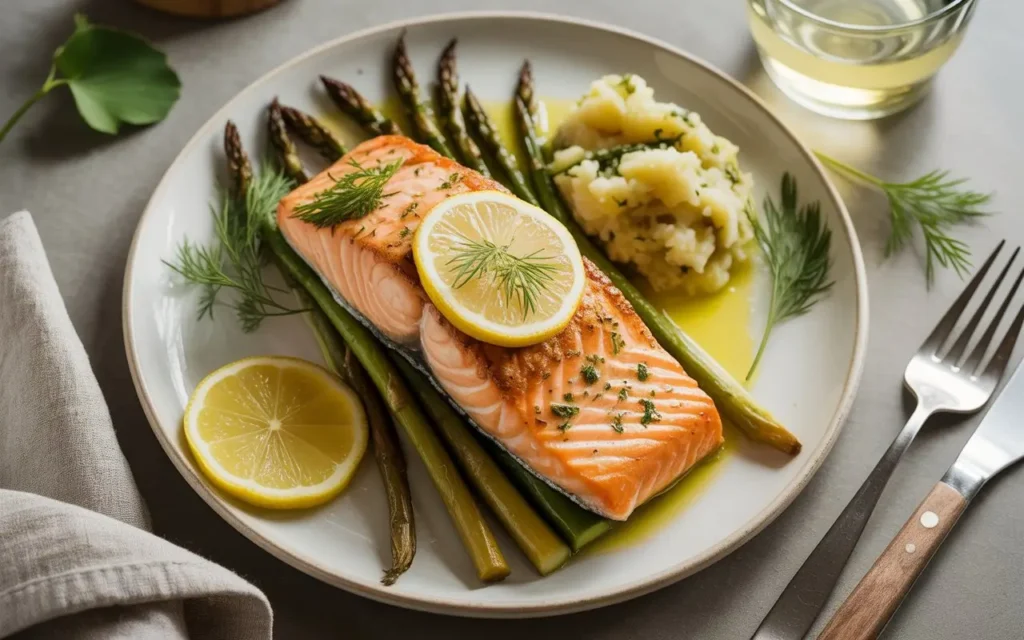
Advanced Marinade Development Systems
Your marinade serves as the vehicle for spice delivery and flavor development. Bourbon salmon recipe preparations demonstrate how alcohol enhances this process – bourbon’s natural compounds break down protein structures while adding distinctive flavor notes that complement spicy elements.
The ideal marinade balances acid, fat, and flavor carriers. Acid components like lemon juice or vinegar tenderize the surface proteins, creating channels for spice penetration. Oil components protect delicate spices from heat degradation while ensuring even distribution across the fillet surface.
Maple salmon recipe techniques show how natural sugars interact with heat to create caramelization that seals in spices. Pure maple syrup provides complex sweetness that balances aggressive heat while contributing to beautiful color development during cooking.
Timing your marinade application requires understanding salmon’s protein structure. Thin fillets (under 1 inch) need only 15-30 minutes for full penetration, while thicker portions benefit from 45 minutes to 2 hours. Over-marination actually works against you, creating mushy texture and overpowering fish flavor.
Temperature control during marination is crucial for both flavor development and food safety. Refrigerated marination allows gradual flavor penetration while preventing bacterial growth. Room temperature marination (limited to 30 minutes maximum) accelerates the process but requires immediate cooking.
Professional Brining Methods for Enhanced Results
Smoked salmon brine recipe techniques apply perfectly to spicy preparations, creating moisture retention that prevents heat from drying out your fish. A basic brine ratio of 1 cup salt to 1 gallon water creates the foundation, but spicy applications benefit from modified concentrations.
Wet brining involves submerging salmon in seasoned salt water for 30 minutes to 4 hours, depending on thickness. This technique not only seasons the fish throughout but also changes its protein structure to retain more moisture during high-heat cooking methods.
Dry brining offers more concentrated flavor development by drawing moisture from the fish, then allowing it to reabsorb along with dissolved seasonings. This method works particularly well for spicy applications because it concentrates both the salmon’s natural flavors and your spice blend.
The salt concentration directly affects flavor penetration speed and intensity. Higher concentrations (up to 8% by weight) work faster but require careful timing to avoid over-salting. Lower concentrations (3-4%) allow longer brining periods for deeper penetration without risk.
Marinade Timing Guide for Optimal Results
| Thickness | Minimum Time | Optimal Time | Maximum Time | Heat Penetration Level |
|---|---|---|---|---|
| ½ inch | 15 minutes | 30 minutes | 45 minutes | Complete |
| ¾ inch | 30 minutes | 45 minutes | 1.5 hours | Complete |
| 1 inch | 45 minutes | 1.5 hours | 3 hours | Deep |
| 1.5 inches | 1 hour | 2 hours | 4 hours | Deep |
| 2+ inches | 2 hours | 4 hours | 8 hours | Moderate |
Understanding these timeframes prevents both under-seasoned and over-marinated results that compromise your final dish quality.
Precision Cooking Methods for Perfect Spicy Salmon Every Time
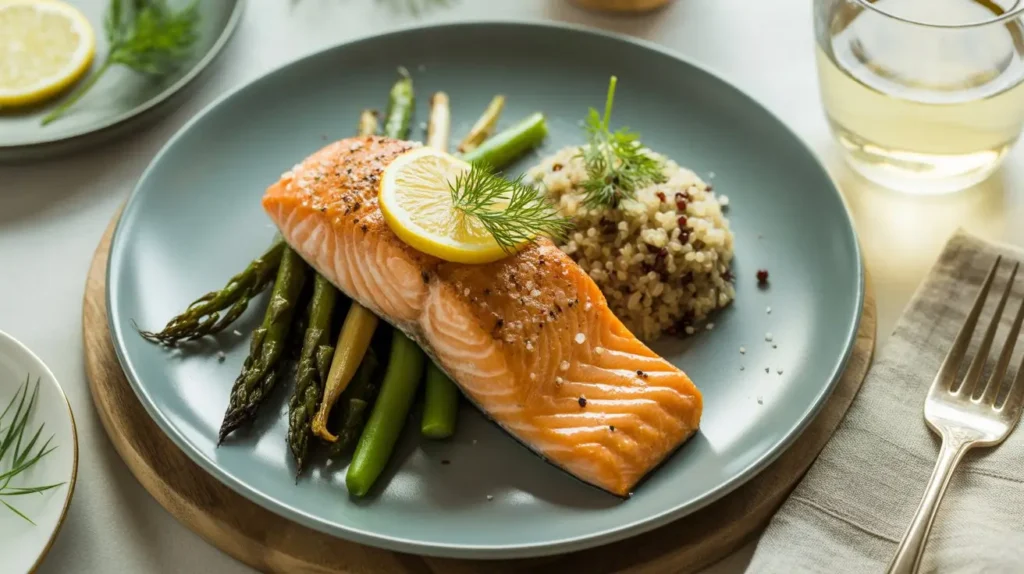
Oven-Roasted Perfection Protocol
Oven cooking provides the most controlled environment for spicy salmon, allowing gradual heat penetration that develops flavors without burning delicate spices. Your oven temperature choice dramatically affects the final result – 400°F creates gentle cooking that preserves spice integrity, while 425°F develops more caramelization but requires careful monitoring.
Preheat your oven with the cooking pan inside for 10 minutes. This technique ensures immediate searing when the salmon contacts the hot surface, sealing in juices while creating the foundation for spice crust development. Use heavy-bottomed pans that distribute heat evenly and prevent hot spots that can burn your carefully balanced spice blend.
Timing calculations depend on fillet thickness rather than weight. Calculate 4-6 minutes per half-inch of thickness at 400°F, or 3-4 minutes per half-inch at 425°F. These guidelines assume room temperature salmon – cold fish requires additional 2-3 minutes per half-inch.
The broiler finishing technique elevates oven-roasted salmon from good to exceptional. During the final 2-3 minutes of cooking, switch to broil setting to caramelize the spice crust without overcooking the interior. Watch carefully during this phase – the line between perfect caramelization and burnt spices is measured in seconds.
Pan-Seared Excellence Method
Pan-searing delivers the most dramatic flavor development for spicy salmon, creating the Maillard reaction that develops complex flavors and appealing texture contrasts. Your pan temperature and oil selection directly impact success – too hot burns spices before the salmon cooks, too cool prevents proper crust formation.
Heat your pan over medium-high heat until a drop of water sizzles and evaporates within 2-3 seconds. Add oil with high smoke point – avocado oil (520°F), grapeseed oil (420°F), or refined coconut oil (400°F) work best for spicy applications. Avoid olive oil, which burns at temperatures needed for proper searing.
The salmon placement technique prevents sticking and ensures even cooking. Place fillets skin-side up (if skin-on) or presentation-side down first. Don’t move the fish for the first 4-5 minutes – this allows proper crust formation that naturally releases when ready to flip.
Spice preservation during high-heat cooking requires understanding heat tolerance of different seasonings. Delicate herbs and fine spices burn quickly, while coarser ground spices and dried herbs tolerate higher temperatures. Apply fine spices just before serving, while coarse spices can handle the full cooking process.
Grilling Mastery for Smoky Heat Integration
Grilling adds smoky elements that complement spicy salmon perfectly, but requires modified techniques to prevent spice burning and fish sticking. Direct versus indirect heat application determines your final texture and flavor development.
Direct grilling over high heat (450-500°F) creates dramatic searing and caramelization in 3-4 minutes per side for standard fillets. This method works best for thicker cuts that won’t overcook before developing proper crust. Use this technique when you want pronounced grill marks and concentrated spicy crust.
Indirect grilling uses gentler heat (350-400°F) for more gradual cooking that prevents spice burning while still developing smoky flavors. Set up your grill with heat zones – sear over direct heat for 2 minutes per side, then move to indirect zone to finish cooking.
Wood chip selection adds complementary flavors to your spicy salmon. Apple and cherry woods provide mild sweetness that balances heat, while hickory and oak contribute stronger smoky notes that enhance bold spice blends. Soak chips for 30 minutes before use to create steady smoke rather than flame.
Oil your grill grates immediately before cooking to prevent sticking. Use high-heat oil applied with paper towels held by long-handled tongs. This technique creates a non-stick surface that won’t interfere with your spice blend integrity.
Specialized Diet Adaptations: Meeting Every Dietary Need

Keto Salmon Recipe Optimization
Keto salmon recipe success depends on maintaining extremely low carbohydrate content while maximizing flavor impact through strategic spice selection and preparation methods. Most pure spices contain less than 1 gram of carbs per teaspoon, making them naturally keto-friendly, but pre-made blends often include hidden carbohydrate sources.
Focus on single-ingredient spices and create your own blends to maintain complete macro control. Paprika, cayenne, garlic powder, and onion powder form an excellent keto-friendly base that provides complex flavors without carb concerns. Fresh herbs like rosemary, thyme, and oregano add aromatic elements with virtually zero impact on ketosis.
High-fat accompaniments enhance both satiety and flavor development in keto preparations. Compound butters infused with your spice blend create rich finishing touches that complement the salmon’s natural oils. Avocado-based sauces provide creamy contrast to spicy heat while contributing beneficial fats.
Cooking methods that preserve and enhance fat content work best for keto applications. Pan-searing in generous amounts of healthy oils creates the crispy exterior texture that makes meals satisfying. Avoid cooking methods that drain away natural fats, as these contribute to the macronutrient profile you’re targeting.
Heart-Healthy Low-Sodium Adaptations
Reducing sodium while maintaining flavor intensity requires understanding which spices provide natural saltiness and umami depth. Dried mushroom powder, nutritional yeast, and celery seed create savory flavors that reduce dependence on added salt.
Acid enhancement techniques compensate for reduced sodium by brightening flavors and creating taste perception of completeness. Fresh lemon juice, lime zest, and vinegar-based marinades provide the sharp notes typically achieved through salt, while supporting the spicy elements in your blend.
Herb intensification through proper preparation maximizes flavor impact from sodium-free sources. Bruising fresh herbs before application releases essential oils, while toasting dried herbs activates compounds that remain dormant in their raw state.
Signature Recipe Collection: From Classic to Gourmet
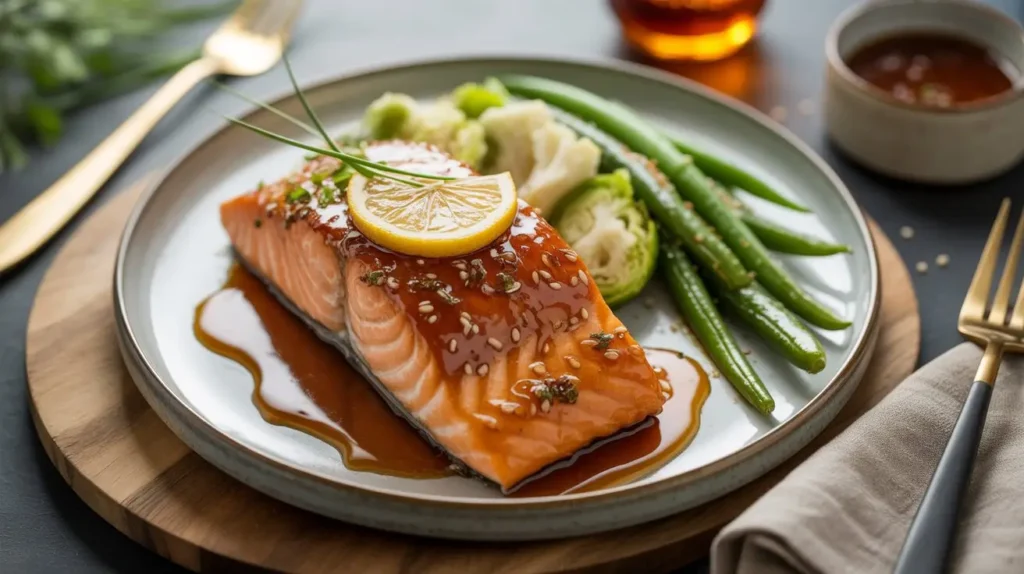
Classic Spicy Salmon Base Recipe
This foundational spicy salmon recipe serves as your starting point for all variations, providing the perfect balance of heat, flavor, and simplicity that works with any salmon variety or cooking method.
Ingredients:
- 4 salmon fillets (6 oz each), skin removed
- 2 teaspoons smoked paprika
- 1 teaspoon cayenne pepper
- 1 teaspoon garlic powder
- 1 teaspoon onion powder
- ½ teaspoon ground cumin
- ½ teaspoon dried oregano
- 1 teaspoon kosher salt
- ½ teaspoon black pepper
- 2 tablespoons avocado oil
- 1 lemon (juiced)
Preparation Method:
- Combine all dry spices in a small bowl, whisking to ensure even distribution
- Pat salmon fillets completely dry with paper towels
- Brush both sides of salmon with avocado oil
- Apply spice mixture evenly, pressing gently to ensure adherence
- Allow seasoned salmon to rest at room temperature for 15 minutes
- Cook using your preferred method (detailed instructions follow)
- Finish with fresh lemon juice immediately before serving
Critical Success Points:
- Dry salmon surface ensures proper spice adherence
- Room temperature rest allows spices to begin penetrating
- Gentle pressing helps spices bond with oil without damaging fish
- Immediate lemon application brightens and balances heat
Bourbon Salmon Recipe: Sophisticated Heat
Bourbon salmon recipe techniques demonstrate how alcohol enhances spice delivery while adding distinctive flavor complexity that elevates simple preparations into restaurant-quality dishes.
The bourbon selection impacts your final result significantly. Choose mid-range bourbons with smooth finish rather than harsh, high-proof varieties that can overpower delicate salmon flavors. Maker’s Mark, Buffalo Trace, or similar 80-90 proof bourbons provide ideal balance.
Enhanced Bourbon Marinade:
- ¼ cup bourbon
- 2 tablespoons brown sugar
- 1 tablespoon soy sauce
- 1 teaspoon chipotle powder
- ½ teaspoon smoked paprika
- ¼ teaspoon cayenne pepper
Combine ingredients and marinate salmon for 30-45 minutes maximum. The alcohol breaks down surface proteins while the sugars caramelize during cooking, creating complex flavor layers that complement rather than mask the spice heat.
Maple Salmon Recipe: Sweet Heat Harmony
Maple salmon recipe preparations require careful balance to prevent sweetness from overwhelming spicy elements while creating the caramelization that makes this combination irresistible.
Use pure maple syrup rather than artificial varieties – the complex sugars in real maple syrup caramelize differently, creating deeper flavors that enhance rather than compete with heat spices. Grade A Dark Robust provides the most complex flavor profile for spicy applications.
Balanced Sweet-Heat Glaze:
- 3 tablespoons pure maple syrup
- 1 tablespoon Dijon mustard
- 1 teaspoon chili powder
- ½ teaspoon cayenne pepper
- 1 tablespoon apple cider vinegar
The vinegar prevents cloying sweetness while the mustard adds tang that bridges sweet and spicy elements. Apply this glaze during the final 5 minutes of cooking to prevent burning while achieving beautiful caramelization.
Nutritional Profile Comparison
Diet-Specific Nutritional Analysis per 6oz Serving
| Diet Adaptation | Calories | Carbs (g) | Fat (g) | Protein (g) | Sodium (mg) |
|---|---|---|---|---|---|
| Classic Spicy | 285 | 2 | 12 | 42 | 420 |
| Keto Version | 310 | 1 | 15 | 42 | 380 |
| Low-Sodium | 275 | 2 | 11 | 42 | 180 |
| Bourbon Glaze | 320 | 8 | 12 | 42 | 450 |
| Maple Variation | 340 | 12 | 12 | 42 | 420 |
Understanding these nutritional profiles helps you choose appropriate variations based on your dietary goals while maintaining the spicy salmon experience you’re seeking.
Troubleshooting Guide: Professional Solutions to Common Challenges
Problem: Spices burning before salmon cooks through Solution: Reduce cooking temperature by 25°F and extend cooking time. Apply delicate spices (like garlic powder) after initial searing phase.
Problem: Uneven heat distribution across fillet Solution: Pound thick portions to uniform thickness, or cut large fillets into evenly-sized portions before seasoning.
Problem: Salmon sticking to cooking surface Solution: Ensure cooking surface reaches proper temperature before adding oil. Don’t move salmon until natural release occurs.
Problem: Overwhelming heat that masks salmon flavor Solution: Reduce cayenne by half and increase milder spices like paprika and cumin for complexity without excessive heat.
Problem: Dry texture despite proper cooking time Solution: Brine salmon for 30 minutes before seasoning, and avoid overcooking by using thermometer to reach exactly 145°F internal temperature.
Storage and Meal Prep Strategies for Busy Lifestyles
Properly prepared spicy salmon maintains quality for 3-4 days refrigerated, making it excellent for meal prep applications. Cool cooked salmon completely before refrigerating to prevent condensation that dilutes spice flavors.
Optimal Storage Protocol:
- Cool salmon to room temperature within 30 minutes of cooking
- Wrap individual portions in plastic wrap, then aluminum foil
- Label with preparation date and reheating instructions
- Store in coldest part of refrigerator (usually bottom shelf)
Reheating Excellence Methods:
- Oven: 350°F for 8-10 minutes, covered with foil
- Microwave: 50% power for 2-3 minutes, checking every 30 seconds
- Pan: Medium-low heat with splash of water, covered, 3-4 minutes
Freezer Preparation for Extended Storage: Vacuum-sealed spicy salmon maintains quality for up to 3 months frozen. Freeze individual portions flat for faster thawing and more even reheating. Thaw overnight in refrigerator, never at room temperature.
Frequently Asked Questions: Expert Answers to Common Concerns
What makes a spicy salmon recipe authentic and flavorful?
Authenticity in spicy salmon recipe preparations comes from understanding the science behind spice integration and respecting the salmon’s natural characteristics. The key lies in layering complementary flavors rather than simply adding heat, creating depth that enhances rather than masks the fish’s delicate taste.
Can I use frozen salmon for spicy salmon recipes?
Absolutely! Frozen salmon works excellently for spicy salmon recipes when properly thawed and prepared. Thaw overnight in the refrigerator, then pat completely dry before applying spice blends. The key is removing all excess moisture that could dilute your carefully balanced seasonings.
How do I adapt a coho salmon recipe for different spice tolerance levels?
Coho salmon recipes adapt beautifully to various heat preferences. Start with the base recipe using 25% of the recommended cayenne, then gradually increase in subsequent preparations until you reach your ideal heat level. Coho’s firm texture holds up well to bold spicing.
What’s the difference between a bourbon salmon recipe and other glazed preparations?
Bourbon salmon recipes utilize alcohol’s unique ability to carry flavor compounds while adding complexity through caramelization. The alcohol cooks off completely, leaving concentrated flavor notes that complement spicy elements without overpowering the salmon’s natural taste.
How can I make a keto salmon recipe that’s still satisfying and flavorful?
Keto salmon recipes achieve satisfaction through strategic fat incorporation and robust spicing. Focus on high-fat cooking methods like pan-searing in avocado oil, and finish with compound butters infused with your spice blend. The key is creating rich mouthfeel that provides satiety.
What’s the best approach for a maple salmon recipe without excessive sweetness?
Balance is crucial in maple salmon recipes. Use pure maple syrup sparingly (no more than 1 tablespoon per pound of salmon) and counterbalance with acidic elements like apple cider vinegar or lemon juice. The goal is subtle sweetness that enhances rather than dominates the spicy elements.
How long should I follow a smoked salmon brine recipe for optimal results?
Smoked salmon brine recipe timing depends on fillet thickness and desired intensity. For standard 1-inch fillets, 4-6 hours provides optimal flavor penetration without over-salting. Thinner pieces need only 2-3 hours, while thick portions can handle up to 8 hours for deep seasoning penetration.
Can spicy salmon recipes be prepared ahead for entertaining?
Yes! Spicy salmon recipes actually improve when seasoned ahead of time. Apply dry spice rubs up to 24 hours before cooking, storing seasoned salmon covered in the refrigerator. The extended contact time allows flavors to penetrate deeply, creating more complex and satisfying results.
Your Journey to Spicy Salmon Mastery: Taking Action Today
Mastering the perfect spicy salmon recipe transforms your culinary capabilities from basic cooking to sophisticated flavor development that rivals professional kitchens. The techniques you’ve learned here provide the foundation for endless experimentation, whether you’re exploring the smoky complexity of smoked salmon brine recipes, celebrating the rich texture of coho salmon recipes, maintaining your health goals with keto salmon recipes, embracing the sweet balance of maple salmon recipes, or sophisticating your palate with bourbon salmon recipes.
The path to consistency lies in understanding the science behind spice integration while respecting salmon’s natural qualities. By implementing these proven methodologies, you’ll develop the confidence to adjust heat levels, experiment with flavor combinations, and create signature dishes that reflect your personal taste preferences.
Your success depends on taking action rather than just reading about techniques. Choose one recipe variation that excites you most, gather high-quality ingredients, and commit to the process. Start with the classic base recipe to build your foundational skills, then gradually explore the more sophisticated variations as your confidence grows.
Remember that every professional chef started with basic techniques and built expertise through consistent practice and attention to detail. Your spicy salmon mastery journey begins with your very next cooking session – make it count by applying these professional techniques with precision and creativity.
Take the first step today: Select your salmon variety, prepare your spice blend, and experience the satisfaction of creating restaurant-quality spicy salmon in your own kitchen. Your taste buds, your family, and your guests will appreciate your commitment to culinary excellence.
Tried This Recipe? Tell Us How It Went!
There are no reviews yet. Be the first one to write one.